
Casio F-91W: Why the $25 Digital Still Beats Watch Hype
The F-91W sits at #1 on men's watches today, ahead of Apple Watch leftovers and $10 military clones. An essay on Casio as anti-hype jewelry for people who actually check the time.
Reader-supported: we may earn a commission from links in this article, at no cost to you. As an Amazon Associate we earn from qualifying purchases. How we make money.
The Casio F‑91W isn’t a flash‑in‑the‑pan drop‑in from the 1980s; it’s the workhorse that still tops Amazon’s men’s watch rankings at around $25, beating out premium hype pieces that cost ten times more. Its digital readout, stainless‑steel case and unpretentious design have become a quiet badge of authenticity for anyone who values substance over brand‑driven spectacle. In a market saturated with limited‑edition drops and price‑inflated hype, the F‑91W stands as the anti‑status watch—a reminder that streetwear culture can still be grounded in practicality and heritage.
Why does the Casio F-91W still matter in streetwear? The Casio F‑91W remains relevant because it tops Amazon’s men’s watch rankings at around $25, outpacing far pricier hype pieces like the Apple Watch Ultra, and its minimalist, utilitarian design resonates with streetwear’s anti‑status ethos. Its durability, low maintenance and decades‑long cultural cachet make it a practical badge of authenticity rather than a fleeting status symbol.
The Unvarnished History of the F‑91W
When Casio introduced the F‑91W in 1989, it was designed for the Japanese school market—a cheap, water‑resistant digital that could survive a day in a backpack. Its 30‑meter water resistance, alarm, stopwatch and calendar were enough to win over students who needed a reliable tool, not a fashion statement. Over the decades, the watch slipped into the hands of musicians, skateboarders and graffiti crews who appreciated its low price point and unassuming aesthetic. The model never received a flashy redesign; instead, it persisted unchanged, reinforcing the idea that a product can achieve cultural relevance without constant reinvention.
The watch’s endurance is not accidental. Casio’s commitment to a single, affordable design created a shared visual language across continents. When a kid in Seoul wears the same watch as a teenager in Brooklyn, the F‑91W becomes a silent nod to a global subculture that values function over flash. This continuity is precisely why it feels more authentic than a limited‑edition drop that disappears after a few weeks. The consistency of its silhouette also means that every generation can recognize the watch instantly, turning it into a visual shorthand for “real‑talk” street style.
Design That Defies Hype
At first glance, the F‑91W offers nothing spectacular: a rectangular stainless‑steel case, a black resin strap, and a simple seven‑segment LCD. Yet those very constraints are its strength. The watch’s proportions—roughly 35 mm wide, 42 mm tall—fit comfortably under a cuff or a layered shirt, making it a subtle complement to oversized streetwear silhouettes. Its black‑on‑black display is legible in any light, and the lack of a brand logo on the face keeps the focus on the time rather than the badge.
Contrast this with the G‑Shock GA‑2100, which commands attention through its octagonal silhouette and aggressive branding. While the GA‑2100 is celebrated in our [[G‑Shock GA‑2100 streetwear watch guide, the F‑91W refuses to shout. Its restraint makes it a versatile accessory that can sit comfortably beside a minimalist bomber or a graphic tee without competing for visual dominance. In a scene where “loud” often equates to “valuable,” the F‑91W’s quiet confidence feels deliberately rebellious. The watch’s matte finish also resists fingerprints, keeping it looking clean even after weeks of daily wear, which is a subtle but appreciated quality for anyone who spends long hours on the streets.
Street Cred Over Status Symbols
Streetwear thrives on the tension between authenticity and manufactured hype. The Apple Watch Ultra, priced near $300, occupies a space where technology meets luxury, yet its presence on the same Amazon page as the F‑91W highlights a cultural crossroads. The F‑91W’s #1 ranking among men’s watches on the platform is not a result of celebrity endorsement but of organic community endorsement. Users repeatedly choose it for its reliability, not because it appears on a runway.
This grassroots approval mirrors the arguments we made in our piece on [[hype‑beast cringe or culture. When a watch becomes a status symbol solely through price inflation, it risks alienating the very community that gave it meaning. The F‑91W, by staying cheap and functional, keeps its cultural capital intact. It’s a watch that can be bought at a corner kiosk, swapped among friends, and still retain its relevance—a true streetwear staple. The fact that it appears in mixtapes, skate videos, and underground fashion shoots without ever being billed as a luxury item underscores how deeply it has been woven into the fabric of everyday street culture.
Functionality That Actually Matters
Beyond its cultural cachet, the F‑91W delivers practical features that many expensive smartwatches overlook. The built‑in alarm can be set to remind you of a train departure or a studio session, while the stopwatch counts down to the perfect skate trick timing. Its battery lasts up to seven years on a single coin cell, a stark contrast to the annual charging rituals demanded by high‑end wearables.
The watch’s 30‑meter water resistance is sufficient for everyday splashes, rain, and accidental submersion, which is more than enough for the urban environment most streetwear enthusiasts inhabit. Its durability isn’t a marketing claim; it’s a lived experience. You can drop it, bend it slightly, or expose it to dust without fearing a malfunction. This reliability translates into a low‑maintenance accessory that never distracts from the outfit or the activity. The simplicity of its controls—just a few buttons on the side—means that even when you’re moving quickly through a crowded subway, you can check the time without fumbling with a touchscreen.
The Price Point as a Statement
Paying $25 for a watch that works, looks decent and has stood the test of time is a quiet act of defiance against the prevailing narrative that “more expensive equals better.” In a marketplace where limited‑edition collaborations can cost hundreds of dollars, the F‑91W’s affordability makes it accessible to anyone who wants to participate in the culture without breaking the bank.
The price also serves as a social equalizer. When two friends meet—one wearing a freshly released designer sneaker, the other sporting a vintage denim jacket—their watches can both be the same unassuming digital. This shared reference point eliminates the need for overt brand signaling, allowing conversations to focus on style, music, or art instead of price tags. Because the watch is so inexpensive, it can be gifted, traded, or even lost without the emotional weight that accompanies a high‑priced piece, which keeps the community’s focus on creativity rather than ownership.
How the F‑91W Fits Into Modern Wardrobes
Integrating the F‑91W into a contemporary streetwear wardrobe is straightforward. Pair it with a high‑waisted cargo pant and a plain white tee for a clean, utilitarian look; the watch’s digital face adds a subtle tech vibe without overwhelming the outfit. When you layer a bomber jacket over a graphic hoodie, the watch peeks out from under the cuff, offering a glimpse of functional detail.
For those leaning into the “quiet luxury vs. streetwear” debate, the F‑91W provides a bridge. Its understated design can complement a muted cashmere sweater, echoing the minimalist aesthetic discussed in our [[quiet luxury vs. streetwear debate. The watch doesn’t try to outshine the clothing; it subtly reinforces the narrative that quality and intention matter more than overt branding.
Even in more experimental ensembles—think oversized silhouettes, neon accents, or deconstructed denim—the F‑91W remains an anchor. Its digital readout adds a hint of retro futurism, echoing the early 90s aesthetic that resurfaces in current trends. Because the watch is not tied to a seasonal colorway or a limited run, it can be a constant companion throughout evolving style phases. The simplicity of its strap also means it can be swapped for a fabric band or a leather loop without compromising its core identity, giving wearers a small but meaningful way to personalize the piece.
Cultural Footprint and Media Presence
The F‑91W has appeared in a surprising number of cultural moments that reinforce its street credibility. In early hip‑hop videos, the watch was often visible on the wrists of emcees who wanted a reliable timepiece that wouldn’t distract from their lyrical flow. Skateboarding documentaries from the late 90s frequently captured riders glancing at the digital display mid‑trick, highlighting its practical role in timing and rhythm. More recently, independent fashion photographers have incorporated the watch into editorial spreads that juxtapose gritty urban backdrops with sleek, minimalist styling, using the F‑91W as a visual bridge between past and present.
Music producers have also cited the watch as a studio companion, noting that the alarm function helps them manage session lengths while the stopwatch assists in timing beats. Graffiti crews, who often work under tight time constraints, appreciate the quick readability of the LCD when navigating between sites. Even street‑style influencers on social platforms occasionally feature the watch in flat‑lay compositions, pairing it with sneakers, caps, and vintage tees to convey an ethos of “effortless utility.” These organic appearances across media reinforce the watch’s status as a cultural touchstone that is never forced into the spotlight, but rather invited by those who value its practicality.
The Bottom Line
The Casio F‑91W endures not because it’s a nostalgic relic, but because it embodies the anti‑status ethos that streetwear originally championed. Its unpretentious design, reliable functionality, and unbeatable price make it a cultural touchstone that outperforms far more expensive hype pieces on both practicality and authenticity. In a world where the latest drop often eclipses lasting value, the F‑91W reminds us that true streetwear credibility is built on utility, heritage, and a willingness to stay quietly relevant.
Everything linked in this piece
Shop this guide

Carhartt Men's Iconic A18 Watch Cap Beanie
Carhartt's iconic A18 watch cap is no-flex workwear — a beanie you wear because it works, not because it dropped.
BUY ON AMAZON →
Comfort Colors Adult Heavyweight Short Sleeve Tee, Style G1717/G1745, Multipack
A Comfort Colors heavyweight tee is a blank with no logo and no drop — anti-hype clothing that just does the job.
BUY ON AMAZON →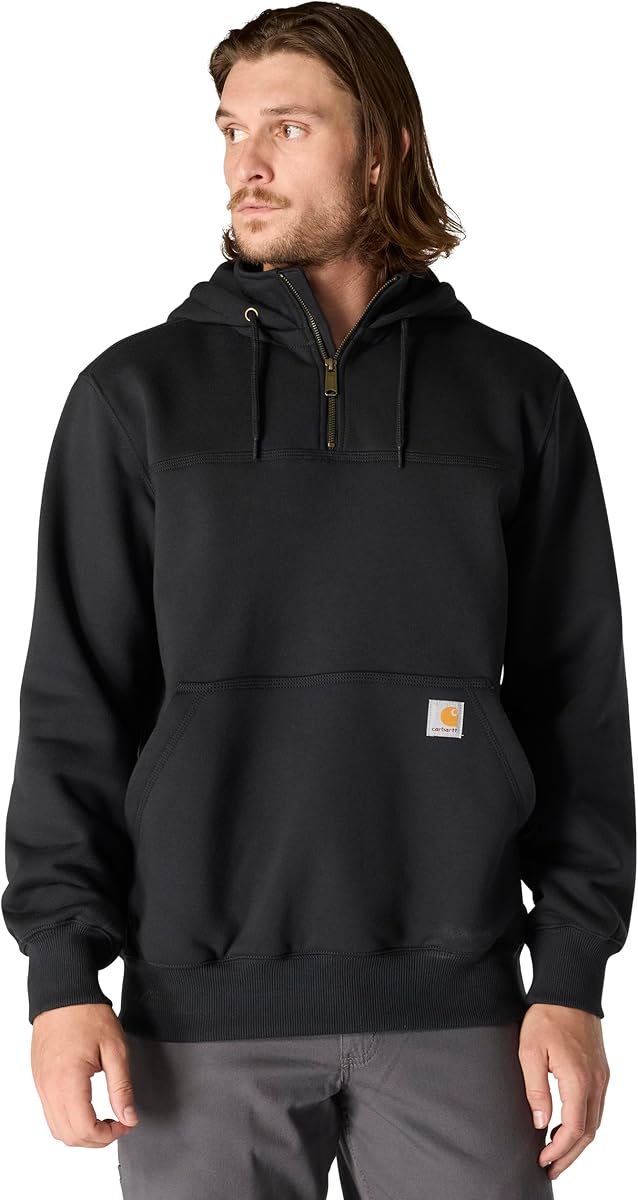
Carhartt Men's Paxton 1/4-Zip Sweatshirt
Carhartt's Paxton 1/4-zip sweatshirt is workwear you pull on and forget, the clothing version of a tool watch.
BUY ON AMAZON →
Carhartt Men's Iconic K288 Logo Sweatshirt Closeout
Carhartt's iconic K288 logo sweatshirt is earned workwear branding, not a limited-drop flex.
BUY ON AMAZON →RELATED READS

Puma Speedcat Celebrities: Why the 90s F1 Racing Shoe Is 2026’s It‑Sneaker
Dua Lipa, Gracie Abrams, Emily Ratajkowski, and Rihanna have turned the Puma Speedcat OG into a cultural must‑have.
Best Custom Graphic Tee Methods: DTF vs Screen vs HTV 2026
DTF, screen printing, HTV, or sublimation — which method actually works best for custom graphic tees in 2026? We break down costs, gear, and results.

Why Skatewear Still Runs Modern Streetwear in 2026
Skateboarding built streetwear. In 2026, skate culture still dictates silhouettes, brands, and attitude in ways most people never notice. Here's how skatewear still shapes what you wear.