
Comfort Colors G1717: Why Print Shops Default to This Tee
Comfort Colors G1717 is the garment-dyed heavyweight sitting in Amazon's clothing best sellers. Why print shops still default here instead of a fashion tee.
Reader-supported: we may earn a commission from links in this article, at no cost to you. As an Amazon Associate we earn from qualifying purchases. How we make money.
Comfort Colors G1717 has been the quiet workhorse of the screen‑printing world for years, and its recent surge to men’s‑clothing #9 and men’s‑fashion #11 on the major retailer’s rankings only confirms what insiders have known all along. The garment‑dyeed heavyweight tee sits shoulder‑to‑shoulder with Gildan and Hanes in the live cart at around $9.74, yet it remains the go‑to blank for shops that value consistency, cost‑effectiveness, and a predictable finish. In a market flooded with fashion‑forward silhouettes, the G1717 endures because it solves the logistical headaches that come with any print job, from color bleed to shrinkage, without demanding a re‑evaluation of every other brand on the shelf.
Why do print shops keep choosing Comfort Colors G1717 over fashion tees? Print shops default to Comfort Colors G1717 because its garment‑dye process yields a soft, lived‑in feel that resists shrinkage, it ships in high‑volume multipacks at $9.74, ranks in men’s clothing #9 and fashion #11, and sits alongside Gildan and Hanes in live carts, simplifying ordering without re‑ranking blanks.
The Legacy of Comfort Colors in Print Shops
When a blank tee becomes a staple, it’s rarely by accident. Comfort Colors entered the screen‑printing arena with a promise: a garment‑dyed fabric that would arrive ready to print, eliminating the need for pre‑wash cycles that eat up time and resources. Over the past decade, that promise has become a de facto standard. Shops that once spent hours testing shrinkage on new blanks now reach for the familiar weight and feel of G1717, knowing it will behave the same way batch after batch. The brand’s reputation for durability isn’t just marketing fluff; it’s built on years of repeat orders from the same printers who refuse to gamble on untested fabrics.
Beyond the initial launch, Comfort Colors has continuously refined its dye‑fixing techniques, using a controlled temperature bath that locks pigment deep into the cotton fibers. This refinement means that even after dozens of wash cycles, the shirts retain the same muted, lived‑in hue that designers rely on for background color consistency. The company also standardizes its cotton blend across all production runs, which eliminates the subtle variations that can cause a printer to adjust screen tension or ink density from one order to the next. For a shop that runs multiple jobs a day, that level of predictability translates directly into reduced setup time and fewer “off‑spec” pieces.
What Makes G1717 Different from Typical Fashion Tees
A fashion tee often boasts a soft, lightweight feel that appeals to streetwear consumers, but that softness can be a liability in a production environment. G1717, by contrast, is a heavyweight 6‑ounce ring‑spun cotton that resists distortion when ink is applied. Its garment‑dye technique embeds color deep within the fibers, meaning the tee retains its hue even after multiple washes—an essential trait when a client’s design relies on the shirt’s base color. The fabric also has a subtle, lived‑in texture that gives printed graphics a natural backdrop, reducing the need for additional finishing steps that fashion blanks might require.
The ring‑spun construction adds a slight stretch to the material, which helps the shirt maintain its shape around the chest and sleeves after a heavy screen print is cured. Unlike many fashion‑forward blanks that use a blended fabric to achieve a softer hand, G1717’s 100 % cotton composition ensures that the ink adheres directly to the fibers rather than being absorbed by synthetic components. This results in sharper line work and more vibrant color saturation, especially when using plastisol inks that sit on top of the fabric. Additionally, the heavier weight provides a sturdier substrate for direct‑to‑garment (DTG) printing, allowing the printer to push higher needle counts without worrying about fabric pilling or distortion.
Economic Realities: Pricing and Bulk Availability
At around $9.74 per shirt, G1717 sits comfortably in the sweet spot between premium fashion blanks and the low‑cost basics that dominate discount retailers. The multipack options (G1745) further lower the per‑unit cost, making it feasible for shops to order in bulk without inflating client invoices. Because the tee is stocked in large quantities by major distributors, lead times are short and stockouts rare—a logistical advantage that fashion‑focused blanks, often produced in limited runs, simply can’t match. For a print shop juggling dozens of orders weekly, that reliability translates directly into tighter turnaround windows and happier customers.
Distributors often bundle G1717 with complementary colors in the same pallet, allowing shops to keep a single inventory location for a wide color range. This reduces the need for multiple storage bins and simplifies the picking process on the production floor. Moreover, the consistent pricing across colorways means that a shop can quote a flat rate to a client without having to factor in color‑specific cost fluctuations, which streamlines the sales conversation and speeds up order confirmation. The predictable supply chain also enables printers to plan seasonal promotions with confidence, knowing that the blank will be available when marketing campaigns demand a surge in volume.
Production Workflow Benefits
Every step in a print shop’s workflow is a potential point of failure. With G1717, the need for a pre‑wash is eliminated; the garment‑dye process means the shirt is already pre‑shrunken and color‑stable. This cuts down on labor and water usage, aligning with many shops’ sustainability goals without sacrificing output quality. The heavyweight fabric also provides a sturdier surface for both screen printing and DTG, reducing ink bleed and allowing finer detail to emerge. In practice, printers report fewer misprints and a lower reject rate when using Comfort Colors, a metric that directly impacts profit margins.
Because the shirt’s surface is less prone to puckering, the registration of multi‑color screens stays true even after the curing process. The fabric’s tight weave also minimizes the “dot gain” effect that can cause printed lines to appear thicker than intended. For DTG operators, the cotton’s absorbency ensures that the pretreatment solution spreads evenly, which is critical for achieving uniform color density across the garment. Additionally, the pre‑shrunken nature of the tee means that once the print is cured, the shirt can be folded, packaged, and shipped without worrying about post‑wash shrinkage that would otherwise distort the artwork.
Client Expectations and Brand Perception
Clients ordering custom tees often come with a mental image of the final product, and many have already experienced the reliability of Comfort Colors G1717 on previous projects. When a shop delivers a shirt that feels substantial, holds its shape, and showcases a crisp print, the client’s confidence in the printer—and by extension the brand—grows. This trust loop means that even when a client requests a “fashion‑forward” look, they are frequently reassured by the familiarity of a Comfort Colors base. The brand’s presence in the live cart alongside Gildan and Hanes reinforces its status as a mainstream, dependable choice rather than a niche fashion experiment.
Clients also appreciate the subtle color palette that Comfort Colors offers; the muted tones serve as a versatile canvas that does not compete with bold graphics. When a brand’s logo is placed on a shirt that has a consistent, slightly vintage hue, the design feels more intentional and less like a generic print on a mass‑produced blank. This perception can elevate a client’s own brand image, making them more likely to return for repeat orders and to recommend the printer to other businesses.
The Competition: Gildan, Hanes, and Emerging Brands
Gildan’s 5000 heavyweight and Hanes’ Beefy‑Tex are often the first alternatives printers consider when scouting blanks. Both offer comparable weight and price points, but they lack the garment‑dye consistency that Comfort Colors guarantees. For a deeper dive into how Gildan’s 5000 stacks up, see our [[Gildan 5000 Heavyweight Review. Meanwhile, emerging blank brands try to capture market share with trendy cuts and eco‑friendly claims, yet they frequently require additional testing to confirm shrinkage rates and colorfastness. Our comparative analysis in the [[Blank Tee Brand Comparison 2026 outlines why many shops still default to the tried‑and‑true Comfort Colors despite the buzz around new entrants.
The key differentiator for Comfort Colors remains its garment‑dye process, which is a step beyond the piece‑dye methods used by many competitors. Piece‑dye fabrics can exhibit color variation from seam to seam, a problem that becomes evident once a print is applied and the inconsistency is magnified. In contrast, the uniform dye saturation of G1717 eliminates that risk, allowing designers to rely on the base color as part of the overall visual composition. Even when a shop experiments with specialty inks—such as metallics or puff—on a Comfort Colors tee, the underlying fabric’s stability supports the additional processing steps without compromising the final look.
Future Outlook: Is the Default Changing?
Sustainability and ethical sourcing are reshaping the apparel landscape, prompting some printers to experiment with organic cotton or recycled polyester blanks. While these options align with growing consumer values, they also introduce variables that can disrupt a shop’s tight production schedule. Comfort Colors has begun incorporating more sustainable practices into its supply chain, but the core product—garment‑dyeed, heavyweight cotton—remains unchanged. Until an alternative can match G1717’s blend of cost, consistency, and availability, the default is likely to stay put. Print shops will continue to monitor the market, but the inertia of existing workflows makes a sudden shift improbable.
The brand’s recent investments in water‑reduction technologies at its dyeing facilities demonstrate a commitment to environmental stewardship without sacrificing the fabric qualities that printers depend on. However, any shift toward organic or recycled fibers will require a re‑validation of pre‑shrink rates, dye uptake, and ink adhesion—steps that can add weeks to a shop’s lead time. Until manufacturers can guarantee that those new blanks will perform identically to the proven G1717 under high‑volume conditions, most printers will keep the heavyweight cotton as their baseline.
The Bottom Line
Comfort Colors G1717 endures as the printer’s default blank because it delivers a predictable, heavyweight canvas at a price that keeps bulk orders viable. Its garment‑dye process eliminates pre‑wash steps, its color stays true through washes, and its availability rivals that of mass‑market basics. While fashion‑forward blanks and sustainable fabrics generate excitement, none yet combine the economic and operational advantages that make G1717 the silent backbone of the screen‑printing industry. For shops that prioritize reliability over trend‑chasing, Comfort Colors remains the logical choice.
Practical Tips for Maximizing G1717 in Your Shop
- Store in a Controlled Environment – Keep bulk pallets in a climate‑controlled area to prevent moisture absorption, which can affect ink drying time. Even though the shirt is pre‑shrunken, excess humidity can cause the fibers to swell slightly, leading to minor registration shifts.
- Use a Light‑Touch Pre‑Press – Because the fabric is heavyweight, a moderate pressure setting on the heat press is sufficient to cure plastisol inks without flattening the shirt’s natural texture. Over‑pressing can compress the lived‑in feel and make the garment feel overly stiff.
- Leverage the Subtle Color Palette – When designing for G1717, consider using the shirt’s base hue as a secondary color in the artwork. This technique reduces the amount of ink needed and creates a cohesive look that resonates with streetwear aesthetics.
- Test Specialty Inks Early – If you plan to offer metallic or puff inks, run a small batch on the specific colorway you intend to use. The garment‑dye process ensures colorfastness, but specialty inks can react differently to the cotton’s absorbency, so a quick test prevents costly re‑runs.
- Batch‑Print for Consistency – Group orders by colorway and weight to maintain consistent curing times across the run. The uniform thickness of G1717 means that a single curing profile will work for the entire batch, reducing the need for manual adjustments.
- Communicate the Benefits to Clients – Highlight the pre‑shrunken, color‑stable nature of Comfort Colors in your sales pitch. Clients often appreciate knowing that the shirt will retain its look after washing, which can be a selling point for corporate or event apparel.
By incorporating these practices, print shops can extract the maximum efficiency and quality from Comfort Colors G1717, reinforcing its position as the go‑to blank for both high‑volume production and premium custom work.
Everything linked in this piece
Shop this guide

Comfort Colors Adult Heavyweight Short Sleeve Tee, Style G1717/G1745, Multipack
This is the G1717 itself — the heavyweight tee the article is about, in the multipack print shops actually buy.
BUY ON AMAZON →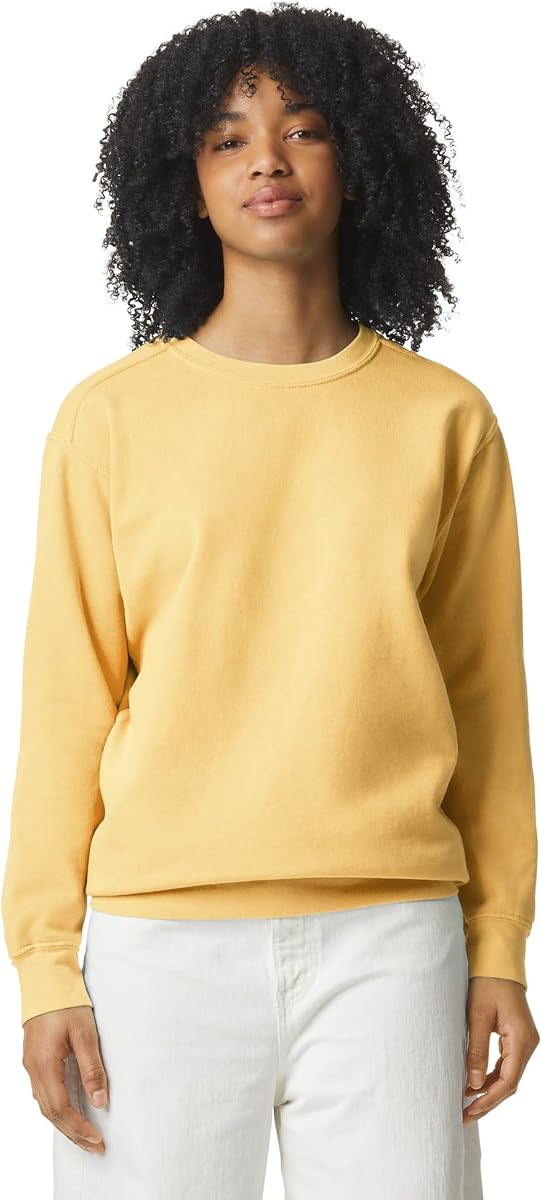
Comfort Colors Adult Crewneck Sweatshirt, Style 1566/1545
Comfort Colors' 1566/1545 crewneck is the sweatshirt that sits next to the G1717 in the same line.
BUY ON AMAZON →RELATED READS
CHAOREN Belts: The Amazon Brand Quietly Dressing Half the Chart
CHAOREN occupies more men's accessories bestseller slots than any heritage leather house. A clear-eyed look at the Amazon belt brand everyone owns and nobody names.

Crocs Classic Clog in 2026: Anti-Fashion That Won Anyway
Crocs are sixth in Amazon mens fashion, ahead of almost every sneaker. How the Classic Clog won the culture fight by staying cheap, ugly, and useful.
Flexfit Caps: The $13 Fitted Hat That Outsells Logo Snapbacks
Flexfit's athletic baseball cap is #4 on men's accessories today at $13.17. A brand look at the stretch fitted that working guys buy instead of a $45 New Era.