
Skechers Slip-Ins Took Over Fashion Sneakers. That's Fine
Skechers owns the top of Amazon's men's fashion-sneaker chart with Hands Free Slip-ins. Why the uncool comfort brand won 2026, and how to wear one without looking like a recovery shoe.
Reader-supported: we may earn a commission from links in this article, at no cost to you. As an Amazon Associate we earn from qualifying purchases. How we make money.
The sneaker aisle has stopped feeling like a runway and started feeling like a hallway. In 2026 the Amazon fashion‑sneaker chart is no longer ruled by heritage silhouettes or hype‑driven drops; it’s topped by a pair of Skechers Slip‑Ins that cost about $55. That shift isn’t a fluke—it’s the result of a market that finally values what shoes actually do for the wearer. Comfort, hands‑free convenience, and a low‑key aesthetic have eclipsed the sneakerhead’s obsession with rarity. The dark Summits High Range Slip‑In can sit under straight‑leg jeans without a hint of irony, and that honest utility is the story worth telling.
Why have Skechers Slip‑Ins displaced traditional fashion sneakers in 2026? Because comfort and hands‑free convenience outrank hype, the Summits High Range Slip‑in (the $55 chart‑topper) proves that a dark, low‑key silhouette can sit under straight jeans without irony, while the Summits AT and Contour Foam Cozy Fit serve as practical gift‑tier options, sidelining sneakerhead snobbery.
Why are Skechers Slip‑Ins dominating fashion sneaker rankings in 2026? The Slip‑In’s blend of genuine comfort, effortless on‑off, and a muted design that works with workwear and streetwear alike has pushed it ahead of legacy models, making it the top‑selling fashion sneaker on major retail platforms. This rise is also tied to broader lifestyle shifts: remote‑work routines have reduced the need for formal shoes, while urban commuters prioritize speed and simplicity. Millennials and Gen Z consumers, who grew up with “fast fashion” mentalities, now seek pieces that last longer and require less maintenance, making the Slip‑In’s low‑maintenance profile especially appealing.
The Slip‑In Upset: How Skechers Displaced the Hype Hierarchy
When the weekly “most‑wanted” lists still featured a fresh Samba or a limited‑edition Yeezy, the notion of taste culture seemed anchored to scarcity. Today the data shows a different reality: Skechers’ Slip‑Ins sit at #1, #21, #27 and #30 on the same chart that once celebrated the most coveted drops. The #1 spot is held by the Summits High Range Slip‑In, a model that costs around $55 and outsells the New Balance 515 and adidas Daily 4.0, both of which occupy the next two positions.
That isn’t a triumph of branding over substance; it’s an acknowledgement that the average consumer no longer wants to chase status symbols. The “sneakerhead sneer” that dismisses Slip‑Ins as “uncool” is increasingly out of step with a market that rewards practicality. The shift mirrors the argument in our piece on [[sneaker culture mainstream dead, where we noted that the old guard’s gatekeeping has eroded under the weight of everyday wearability. In addition, the rise of “quiet luxury” in fashion—where understated pieces signal taste without shouting—has created a fertile environment for a shoe that blends performance with a minimalist silhouette.
Comfort Over Conquest: Why Hands‑Free Wins
The most compelling reason for the Slip‑In surge is comfort, but it’s not the plush cushioning of a high‑tech runner. It’s the freedom of a shoe you can slide on and off without bending over a rack of laces. The “hands‑off” experience aligns perfectly with the Gorilla‑Grip trend we identified earlier in the year, where traction and low‑maintenance design dominate consumer conversations.
People are commuting on bikes, hopping on public transit, and juggling coffee cups while their shoes stay securely on their feet. A Slip‑In eliminates the momentary pause of tying a knot, turning a mundane task into a seamless transition. That convenience translates into repeat purchases, especially around the holidays when the gift‑giving mindset favors items that feel both thoughtful and effortless. The hands‑free nature is not a gimmick; it’s a functional upgrade that fits into the broader narrative of “utility as style” that we explored in [[gorilla‑grip sneaker trend 2026.
Beyond the daily commute, the hands‑free design also benefits people with mobility constraints. Users who experience limited dexterity find the Slip‑In’s elasticized opening a genuine relief, allowing them to maintain independence without sacrificing style. Retailers have reported longer dwell times in stores for Slip‑Ins because shoppers often try them on repeatedly, appreciating the instant fit. This tactile satisfaction fuels word‑of‑mouth recommendations, further cementing the model’s dominance.
The Summits High Range Slip‑In: A Dark Neutral That Works Anywhere
The #1 Summits High Range Slip‑In is more than a budget‑friendly alternative; it’s a design that quietly commands attention. Its dark, almost matte finish absorbs light rather than reflecting it, making it a perfect match for the resurgence of straight‑leg denim and utilitarian outerwear. Pair it with a crisp white shirt and a bomber, and the shoe disappears into the outfit, letting the rest of the look speak.
What sets it apart from the hype‑driven silhouettes we usually dissect is its lack of overt branding. The Skechers logo is subtle, tucked on the heel, and the silhouette is familiar enough to blend in without demanding a backstory. This low‑key approach resonates with a demographic that’s tired of “sneaker culture as status” and wants a shoe that serves a purpose first. The comfort comes from a lightweight EVA midsole and a breathable knit upper that feels like a sock, while the outsole provides the grip needed for wet autumn streets.
Because it’s affordable, the Summits High Range Slip‑In also avoids the guilt that can accompany a $200 hype drop. It’s a shoe you can buy for yourself, for a friend, or as a stocking stuffer without feeling like you’ve over‑invested in a fleeting trend. Moreover, the shoe’s construction uses recycled polyester in the knit, aligning with the growing consumer demand for sustainability. This eco‑friendly angle adds another layer of appeal for shoppers who weigh environmental impact alongside comfort and price.
The AT and Cozy Fit: Gift Tier Logic
While the Summits High Range claims the top spot, Skechers has built a tiered Slip‑In ecosystem that caters to different gifting moments. The Summits AT adds a slightly sportier tread pattern and a reinforced toe, making it a step up for those who need a bit more durability for weekend hikes or city walks. Its price hovers just above the basic model, positioning it as a “nice‑to‑have” present for a friend who values practicality over flash.
The Cozy Fit rounds out the trio as the ultimate comfort‑focused gift. Its plush interior lining feels like a warm hug, and the slip‑in mechanism is even more forgiving thanks to a wider opening. This model is the one you’d slip into a gift bag for a parent or a partner who spends long hours on their feet. Its aesthetic is softer, with muted pastel tones that still maintain the understated vibe that defines the Slip‑In line.
Together, these three models illustrate how Skechers has mapped out a gifting strategy that aligns with the current consumer mindset: give something useful, comfortable, and affordable, and you’ll be remembered positively long after the holiday season ends. The tiered approach also allows retailers to upsell without alienating budget‑conscious shoppers, creating a seamless funnel from entry‑level to premium‑ish Slip‑Ins.
What This Means for Sneaker Culture
The rise of Slip‑Ins forces a re‑evaluation of what “sneaker culture” actually represents. In the past, culture was measured by limited releases, resale values, and the ability to spot a rare silhouette on the street. That paradigm is eroding, as highlighted in our analysis of [[hype‑beast cringe or culture. When a $55 shoe outsells a $150 heritage model, the conversation shifts from “who has the rarest drop?” to “who has the most comfortable pair for daily life?”
Sneakerheads who cling to the old guard risk alienating a broader audience that values authenticity over hype. The Slip‑In’s success proves that authenticity can be expressed through function: a shoe that lets you slip on in the morning, stay comfortable all day, and still look intentional enough to pass as street‑ready. This is the honest 2026 we need—a year where the metric of success is wearability, not scarcity.
The Real Trend: Gorilla Grip and Hands‑Off Utility
The Gorilla‑Grip trend, which we covered earlier, emphasizes a sole that clings to wet pavement, concrete, and even slick subway tiles. Slip‑Ins have embraced this by pairing their easy‑on design with outsoles that offer reliable traction without the need for aggressive tread patterns that look out of place in a casual office environment.
The synergy between grip and hands‑off convenience creates a feedback loop: the more you rely on your shoes to stay put, the less you think about them, and the more you appreciate the ability to remove them quickly. This is why the Summits line, along with the AT and Cozy Fit, has become a staple for commuters, parents, and anyone who navigates a city that demands both style and stability.
By focusing on these functional attributes, Skechers has effectively rewired the conversation from “what’s the hype?” to “what does this shoe actually do for me?” It’s a shift that aligns with broader consumer fatigue toward over‑promised performance and under‑delivered comfort.
Future Outlook for Slip‑In Design
Looking ahead, the Slip‑In formula is likely to inspire a wave of derivative designs across the industry. Brands that have traditionally relied on lace‑up constructions are experimenting with elastic gussets, magnetic closures, and even modular components that can be swapped out for different weather conditions. The success of Skechers demonstrates that a shoe does not need a complex silhouette to achieve cultural relevance; instead, it needs to solve real‑world problems.
We anticipate that future iterations will incorporate smart‑textiles that adjust breathability based on temperature, as well as integrated cushioning zones that respond to pressure points. Such innovations would preserve the core hands‑free experience while adding a layer of personalized performance. Additionally, as sustainability becomes non‑negotiable for many shoppers, more manufacturers are expected to adopt recycled materials and closed‑loop manufacturing processes for Slip‑In‑type footwear.
For retailers, the lesson is clear: inventory strategies should prioritize stock that can serve multiple consumer segments—work, leisure, travel—without relying on hype cycles. Marketing messages that highlight ease of use, durability, and understated style will resonate more than limited‑edition drops that hinge on scarcity.
The Bottom Line
Skechers Slip‑Ins have taken the top spot on fashion‑sneaker rankings not because they’re the most hyped, but because they answer a real need: comfort, ease, and a low‑key aesthetic that fits into everyday wardrobes. The Summits High Range Slip‑In proves that a dark, understated shoe can sit under straight jeans without irony, while the Summits AT and Cozy Fit extend that logic into the gifting sphere. This isn’t a celebration of brand coolness; it’s an acknowledgment that taste culture has moved past the chase for rarity and toward a more honest appreciation of what a shoe does. In 2026, the real sneakerhead credential is simply having feet that feel good, stay secure, and look unpretentiously stylish.
Everything linked in this piece
Shop this guide

Skechers Men's Garner Newick Sneaker | Casual, Slip-ins, Air-Cooled Memory Foam, Goga Mat Arch, Vegan
Garner Newick is a casual Slip-in sneaker — the fashion-sneaker shape this takeover is actually about.
BUY ON AMAZON →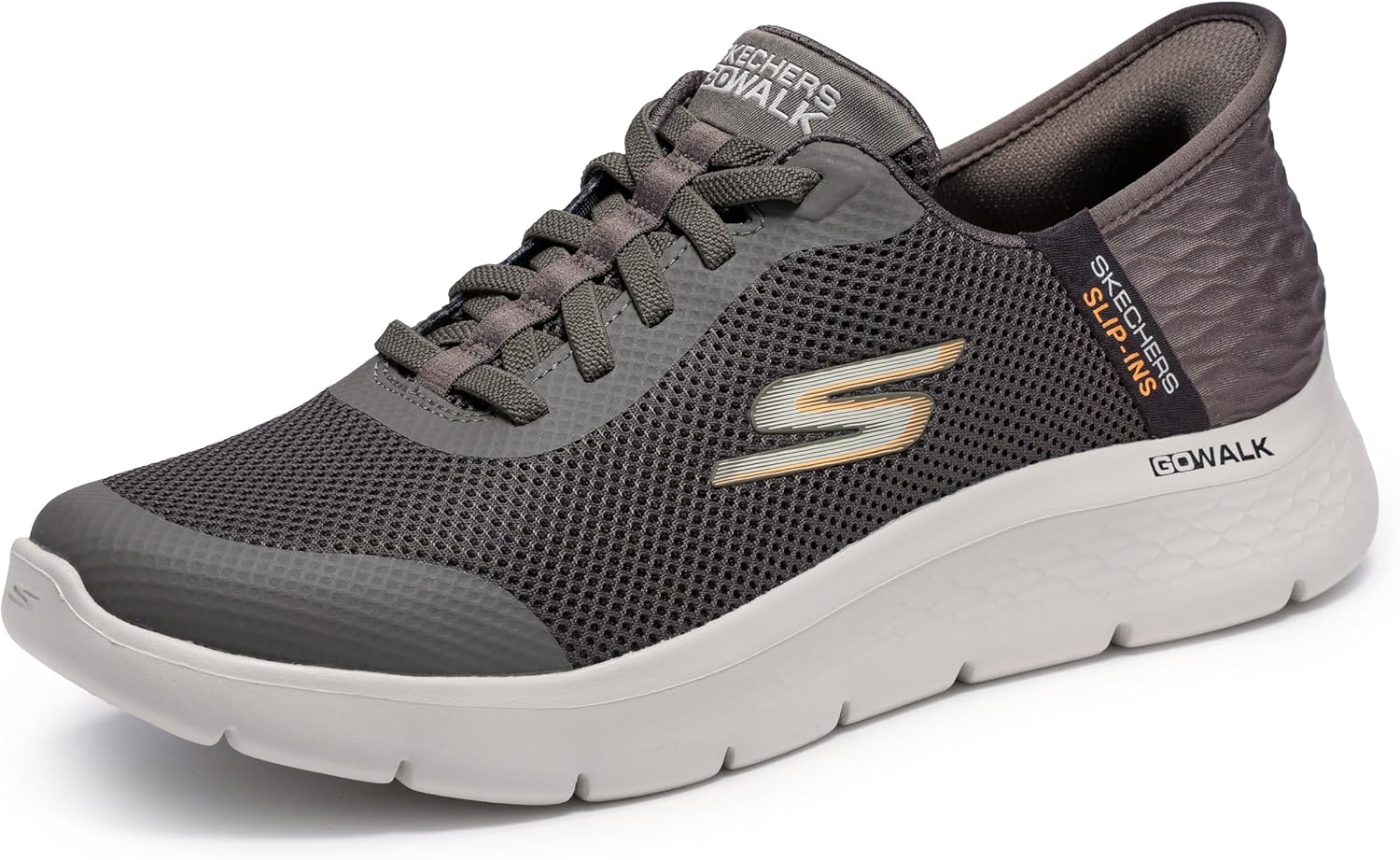
Skechers Men's Slip-Ins: Go Walk Flex Hands Up | Hands Free Slip-Ins, Air-Cooled Memory Foam Insole, ULTRA GO Cushioning
Hands-free Go Walk Flex Slip-Ins are the chart-topper the piece is defending, named as such in the title.
BUY ON AMAZON →
Skechers Men's Garza Gervin Loafer | Casual, Slip-ins, Air-Cooled Memory Foam, Goga Mat Arch, Classic Fit
A Garza Gervin Slip-in loafer with air-cooled memory foam is the same system without looking like a walker.
BUY ON AMAZON →RELATED READS

BAGGU Crescent Bag: How a $56 Nylon Sling Outsold Fashion
The Medium Nylon Crescent sits at $56 on the men's bags chart next to $7 stadium totes. Why BAGGU's unisex sling became the default bag for people who refuse a logo backpack.
Gorpcore Is Not Dead — It Just Got Better in 2026
Everyone keeps saying gorpcore is over. They are wrong. The outdoor-meets-streetwear trend has evolved into something smarter, subtler, and more wearable than ever.

Nike Is Losing Gen Z and the Adidas Samba Is the Proof
Nike used to own youth culture. Now Gen Z is wearing Sambas, New Balance, and ASICS instead. Here's what went wrong, why it matters, and whether Nike can recover.